Planning a car lamp program? Start with the parts, materials and production requirements. Then explore how injection molding can support your project.
Learn more about our company

Precision Engineering:
Injection molding shapes parts by filling a mold cavity with molten material. The material then cools and solidifies. For automotive lighting, the process can produce lamp housings and related components.
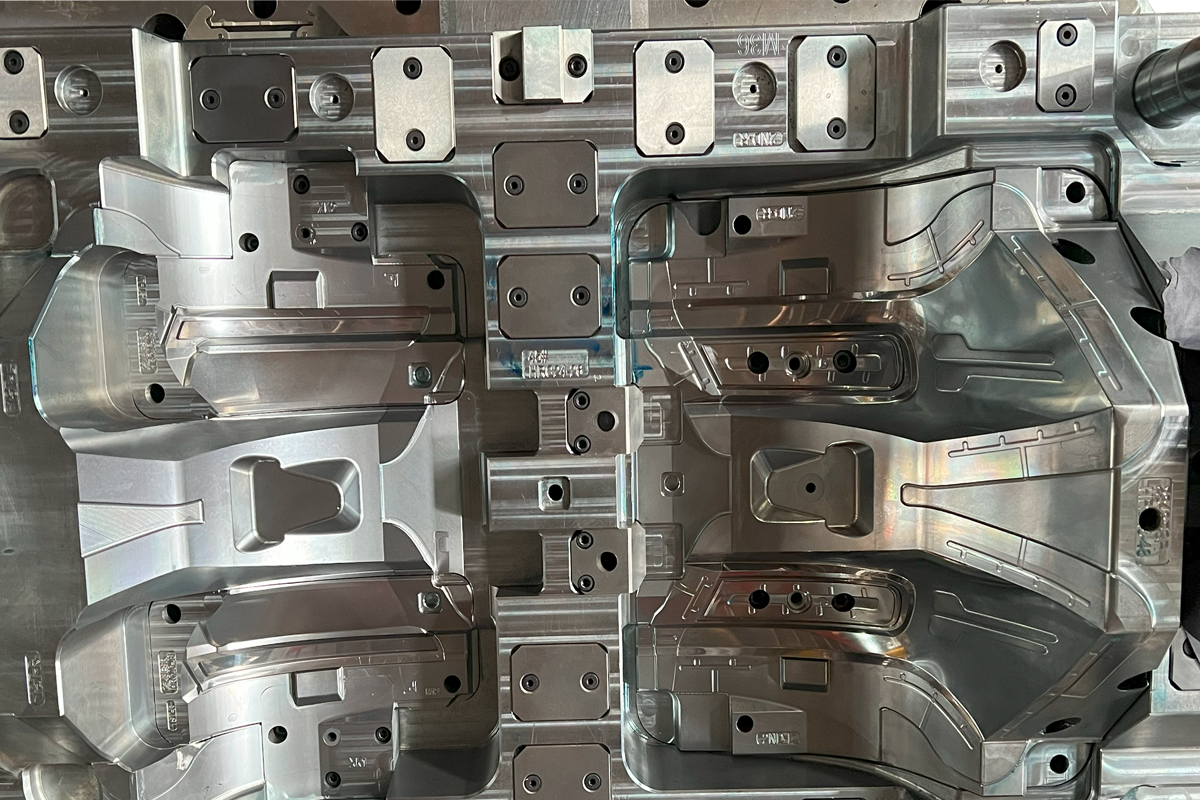
First, our engineers use CAD/CAM software to design molds around the component specifications. In particular, they consider the shape, dimensions and production requirements. As a result, the tooling supports consistent production of lamp components.
Next, we control tolerances throughout the molding process. For example, dimensional checks help confirm that parts meet the specified requirements. This also supports their integration with the vehicle assembly.
Quality Assurance:
Furthermore, we apply quality checks throughout manufacturing. In addition, we review consistency and reliability against the requirements of each lamp program.
🔧 Custom Solutions
In addition, our injection molding solutions support tail lamps, headlamps and signal indicators. For example, the images below show lamp components and design concepts. Finally, contact our team to discuss the tooling requirements for your application.
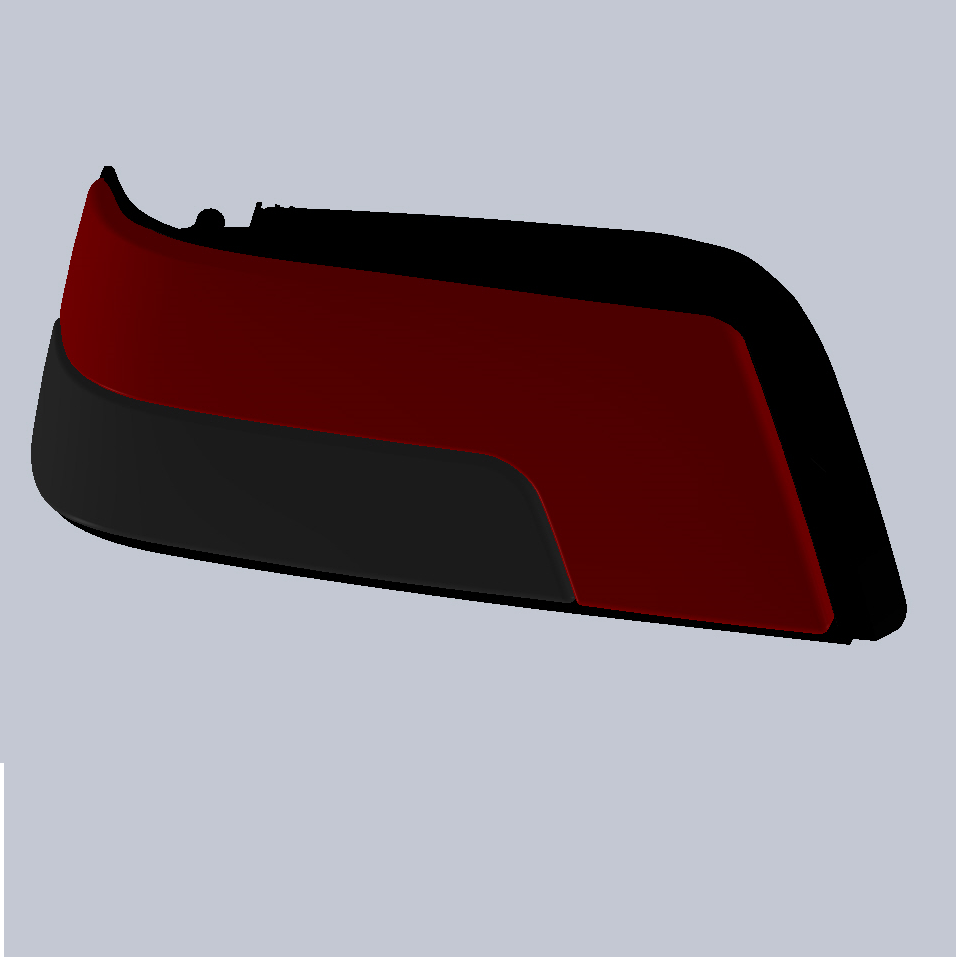
Lamp Component Design
Automotive lighting concept
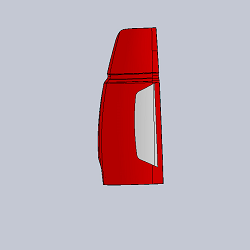
Rear Lamp Design
Lamp housing and lens concept
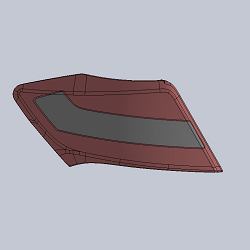
Tail Lamp Design
Automotive lamp component concept
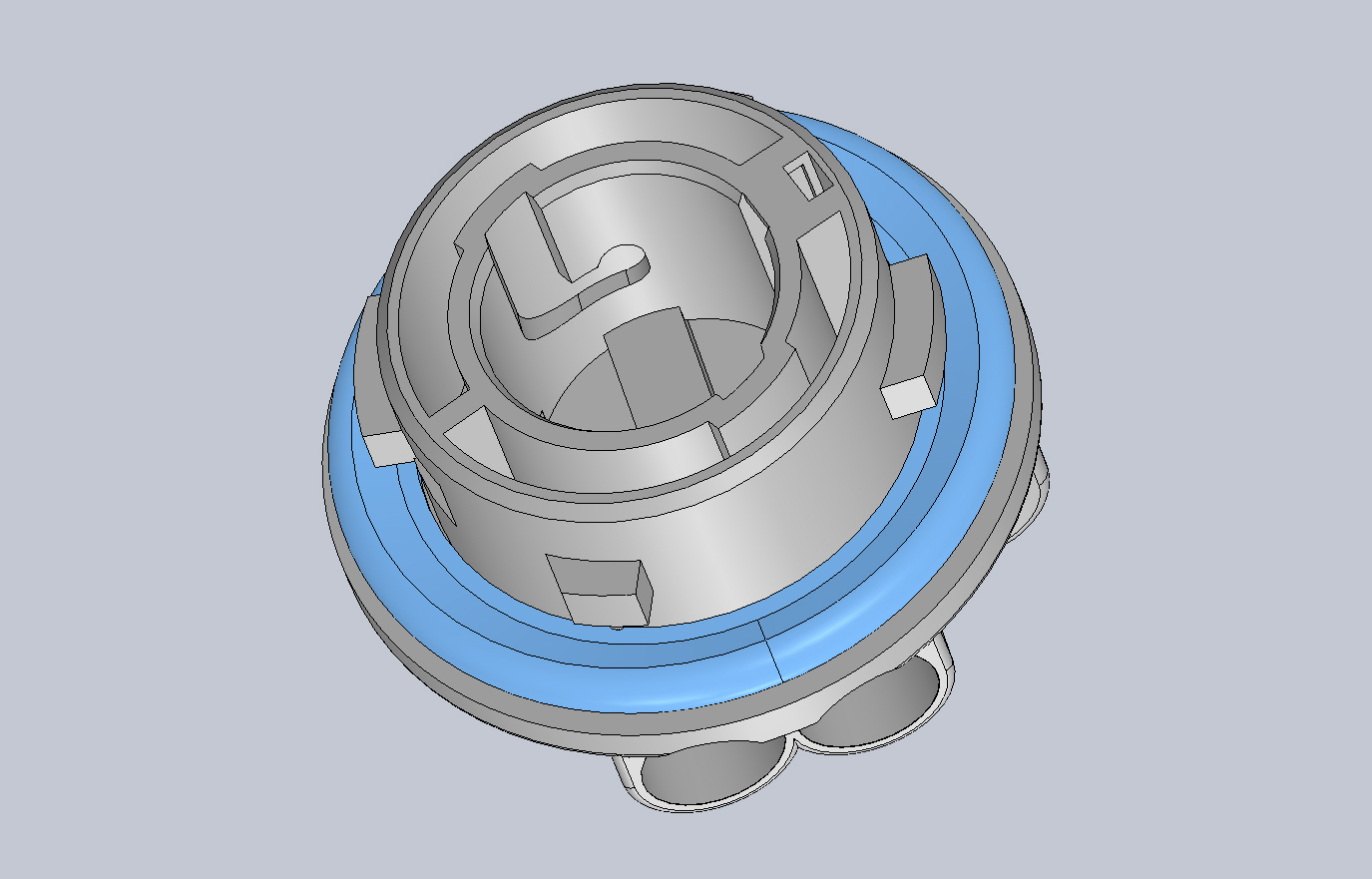
Lamp Holder Design
Component design concept
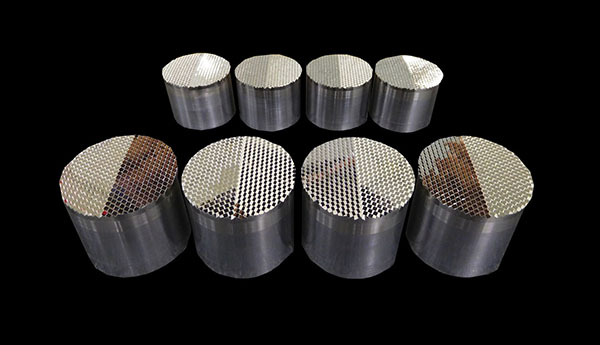
Reflex Reflector Inserts Tools: Engineering Precision for Road Safety
- Custom Tool Design
- High-Quality Materials.
- Tight Tolerance Control